How to Choose Eco-Friendly Galápagos Travel for Your Bucket-List Trip
The Galápagos Islands have long held a special place in the imagination of travelers. As the living laboratory that inspired Charles Darwin, this remote archipelago in the Pacific Ocean is one of the most pristine ecosystems on Earth. But with that privilege comes responsibility. Every year, more visitors want to see giant tortoises, blue-footed boobies, and marine iguanas in their natural habitat. The question is how to do it without harming the very places you came to see.
Eco-friendly Galápagos travel is not just about choosing a carbon offset or skipping plastic straws. It is about understanding how the tourism system works here, what rules the Galápagos National Park enforces, and which type of vessel or itinerary supports conservation rather than undermining it. The choices you make before you book can have a real impact on the islands' future.
What Makes Travel Here Different
The Galápagos Islands are a UNESCO World Heritage site, and for good reason. The wildlife has evolved with minimal human interference. Many animals show no fear of people, which is exactly why visitors must keep their distance. The park limits visitor numbers, restricts where boats can anchor, and requires that all tours be accompanied by expert naturalist guides. These guides are not just storytellers. They are trained biologists and interpreters who enforce park rules and educate guests about the fragile ecosystems.
Choosing eco-friendly Galápagos travel means selecting an operator that respects these regulations and goes beyond them. For example, smaller vessels tend to have a lighter footprint. They use less fuel, produce less waste, and can access smaller landing sites that larger ships cannot. The 16-passenger Natural Paradise yacht is a good example of this approach. With fewer guests on board, the experience becomes more personal, and the environmental load on each landing site is reduced.
The Role of the Vessel and Its Practices
Not all yachts and cruise ships in the Galápagos are created equal. Some older vessels still run on heavy fuel and lack proper waste management systems. Newer boats, particularly those built in the last decade, often incorporate energy-efficient designs, water treatment plants, and better engine technology. When researching a trip, look for details about fuel type, waste disposal, and whether the ship uses single-use plastics. Some operators now provide refillable water bottles and filtered water stations, which cuts down on plastic waste significantly.

A luxury cruise does not have to be wasteful. In fact, many high-end operators invest in sustainable practices because their guests expect it. The Natural Paradise yacht, for instance, focuses on personalized itineraries that avoid peak times at popular sites, spreading visitor pressure more evenly across the park. This kind of thoughtful scheduling is a practical form of eco-friendly Galápagos travel that benefits both wildlife and visitors.
Choosing the Right Itinerary
The Galápagos National Park divides the archipelago into visitor zones, and each island offers a different experience. Santa Cruz Island is the main hub, where you will find the Charles Darwin Research Station and most of the human population. But the real magic happens on the more remote islands. Bartolomé Island is famous for its stunning viewpoint and snorkeling with sea lions. Genovesa Island, also known as Tower Island, is a bird lover's dream, with frigatebirds and red-footed boobies nesting along the cliffs. Española Island is home to the largest colony of waved albatrosses and countless marine iguanas. Floreana Island has a fascinating human history and a beautiful lagoon where flamingos sometimes gather.
An eco-friendly itinerary will balance these highlights with rest days and less visited areas. It will also respect the park's rotation system, which prevents any one site from being overused. When you are looking at cruise options, ask how the operator handles this. A good one will explain their site selection process and how they work with the park authorities.
Activities That Minimize Impact
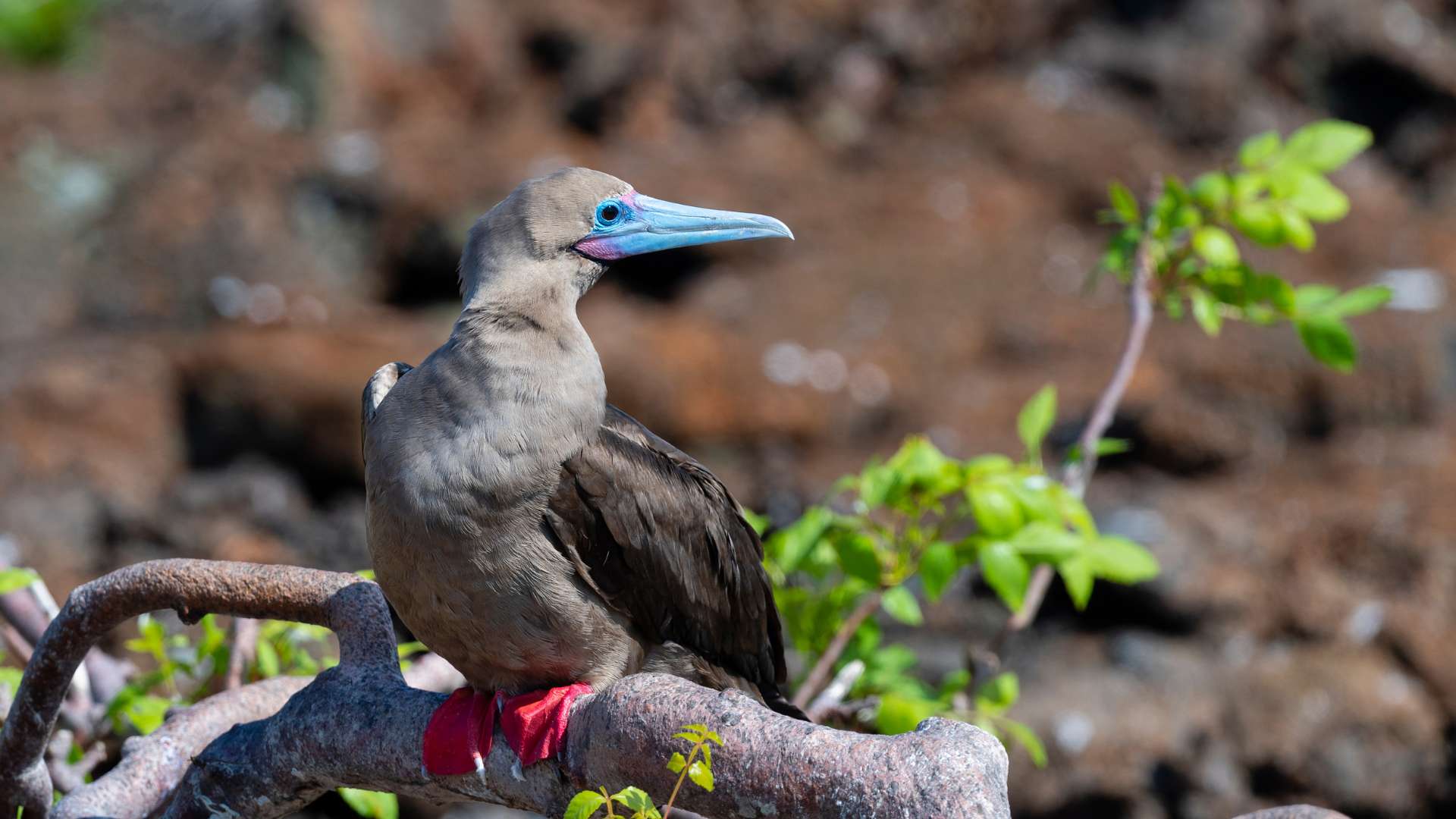
Most of your time in the Galápagos will be spent hiking, snorkeling, or kayaking. These activities have a low environmental impact if done properly. Snorkeling and kayaking allow you to observe marine life without disturbing it. You might see sea turtles, rays, and even penguins while paddling along a quiet coastline. The key is to keep a respectful distance and never touch the animals. Expert naturalist guides will remind you of this constantly, and they will also point out subtleties you would miss on your own, like the difference between Darwin's finches species or the mating dance of a blue-footed booby.
One important rule is to stay on marked trails. The volcanic rock and fragile soil are easily damaged, and some plant species take decades to recover from a single footprint. This is not just a suggestion. It is a park regulation enforced by the guides and park rangers. Choosing eco-friendly Galápagos travel means accepting these rules as part of the experience, not as restrictions.
Practical Considerations for the Conscious Traveler
Getting to the Galápagos requires flying from mainland Ecuador, usually from Quito or Guayaquil. The flight itself has a carbon footprint, but you can offset it through reputable programs. Many tour operators include this in their packages or can recommend a verified offset provider.
Once you arrive, the local economy depends heavily on tourism. Staying on a liveaboard yacht like the Natural Paradise means you are sleeping, eating, and traveling on the same vessel, which reduces the need for hotels and ground transport. This is often more efficient than a land-based trip that shuttles you between islands by day and back to a hotel each night. That said, land-based options exist too, and some lodges on Santa Cruz Island have strong sustainability certifications. The choice depends on your comfort level, budget, and how much time you have.
Packing light also helps. Every kilogram of luggage adds to the fuel consumption of the flight and the boat. Bring reusable items: a water bottle, a dry bag for snorkeling gear, and reef-safe sunscreen. The last one is especially important because conventional sunscreens contain chemicals that harm coral and marine life. Look for mineral-based formulas with zinc oxide or titanium dioxide.
Why Expert Guides Matter
The quality of your naturalist guide can make or break your trip. Beyond safety and logistics, a great guide transforms a simple walk into a lesson in ecology, evolution, and conservation. They can explain why marine iguanas sneeze salt, how Darwin's finches adapted their beaks to different food sources, and what role giant tortoises play in seed dispersal. They also serve as the front line of protection for the islands, reporting any illegal activity or environmental damage they see.
When evaluating a cruise, ask about the guide-to-guest ratio. A lower ratio means more personalized attention and better enforcement of park rules. On a small yacht with 16 passengers, the guides can focus on each person's questions and ensure everyone follows the guidelines. This is one of the hidden benefits of choosing a smaller vessel for your eco-friendly Galápagos travel.

The Bigger Picture
Preserving the Galápagos Islands is not just the responsibility of the park or the tour operators. It falls on every visitor who steps onto those shores. The decisions you make - which boat to book, how to pack, what to bring, how to behave - add up. If enough travelers demand sustainable practices, the industry will continue to improve. If they do not, the pressure on the islands will only grow.
Eco-friendly Galápagos travel is not a marketing gimmick. It is a practical approach to experiencing one of the world's last wild places without destroying it. By choosing a responsible operator, respecting the rules, and staying mindful of your footprint, you can have an unforgettable adventure that also helps protect this unique archipelago for future generations.